Heating and cooling systems are essential for comfort in Auckland’s mixed climate. Many homes deal with damp air, sudden temperature drops, and warm afternoons within the same week. Diagnostic-led HVAC services focus on finding the exact problem before any repair begins. This approach saves time, reduces costs, and improves system performance over the long term.
What Diagnostic-Led HVAC Services Mean
Diagnostic-led HVAC services rely on testing and analysis instead of guesswork. Technicians use tools to measure airflow, temperature differences, and electrical performance. A full system check can take 45 to 90 minutes depending on the size of the unit and building. Accurate data helps identify hidden faults.
These services often include thermal imaging and pressure testing to locate leaks or blockages. Small issues like sensor faults or airflow restrictions can be detected early. This prevents larger failures later. Clear results guide the next steps.
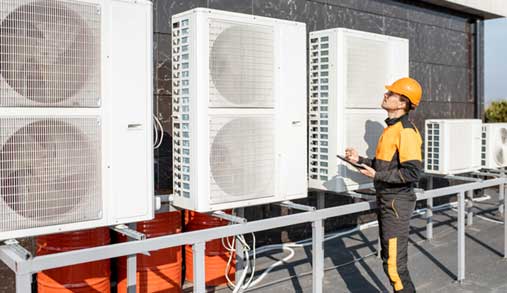
Choosing Skilled Diagnostic HVAC Experts
Finding technicians trained in advanced diagnostics ensures better results for homeowners and businesses. Many professionals now use digital tools that track system behavior over time and highlight unusual patterns before they turn into major faults. A trusted option like Diagnostic-Led HVAC Services in Auckland can provide accurate system analysis along with targeted repairs that address the root cause instead of temporary fixes. This approach helps reduce repeat service calls and improves reliability.
Experience still plays a key role in proper diagnosis. Systems in Auckland vary widely, with some buildings over 40 years old requiring special attention during testing. Skilled technicians combine modern tools with practical knowledge. This creates more reliable solutions for different property types.
Common Diagnostic Procedures Used
Diagnostic HVAC work includes several steps to ensure accurate findings. Each system is checked in detail to locate faults that may not be visible at first glance. Some inspections take less than an hour. Others require deeper testing.
– Airflow measurement to check ventilation efficiency.
– Electrical testing for voltage, wiring, and component health.
– Refrigerant level checks in cooling systems.
– Thermostat calibration and sensor testing.
Each step gives useful data about system performance. A small imbalance in airflow can reduce efficiency by up to 20 percent. Fixing such issues early keeps energy use under control. Quick checks prevent long-term damage.
Benefits of a Diagnostic-First Approach
A diagnostic-first method improves repair accuracy and reduces unnecessary part replacements. Many traditional repairs rely on trial and error, which can increase costs over time. This method focuses on exact causes. It saves money.
Systems that receive proper diagnosis often last 5 to 8 years longer compared to those repaired without detailed checks, especially when small faults are corrected early before they spread into larger mechanical or electrical failures that require major intervention. This also improves indoor air quality and comfort levels. Stable performance matters.
Many Auckland residents now prefer this method because it offers clear results and fewer surprises. It also helps plan future maintenance based on real data. Better planning reduces stress during extreme weather changes.
Diagnostic-led HVAC care offers a practical way to maintain comfort and system health in Auckland properties. Accurate testing, skilled technicians, and timely repairs all support long-term performance. A well-diagnosed system runs efficiently, reduces costs, and keeps indoor spaces comfortable throughout changing seasons without unnecessary complications.